EHS Compliance in Thai Construction: What Every Developer Must Know
Environmental, health and safety compliance in Thailand is a legal and commercial obligation. Learn what construction projects must have in place.


Date:
Get in touch to know more info.
Environmental, health, and safety compliance is not the most glamorous part of a construction project. It does not feature in the project brief, it does not show up in the architectural renders, and it rarely comes up in investor presentations. But when it goes wrong, when a worker is seriously injured on site, when an environmental violation is issued, when a regulatory authority stops construction, the consequences are immediate, costly, and sometimes irreversible.
In Thailand, the EHS regulatory framework governing construction projects has become progressively more demanding. For developers, whether domestic or foreign, understanding your EHS obligations and ensuring they are properly managed on site is both a legal requirement and a commercial imperative.
What Is EHS in Construction?
EHS stands for Environmental, Health, and Safety. In a construction context, it covers the full range of obligations related to:
Environmental protection: managing construction impacts on air quality, water, soil, noise, and the surrounding community
Occupational health: protecting workers from chemical, physical, and biological hazards in the construction environment
Site safety: preventing accidents, injuries, and fatalities on construction sites
In Thailand, these obligations are governed by a combination of national legislation, ministerial regulations, and site-specific permit conditions. The primary frameworks include the Occupational Safety, Health, and Environment Act, the Enhancement and Conservation of National Environmental Quality Act, the Factory Act, and the Building Control Act, among others.
Key EHS Obligations for Construction Projects in Thailand
Environmental Permit Conditions
For projects that have received EIA or IEE approval, the approval comes with conditions. These conditions specify the environmental management measures that must be implemented during construction and operation, covering construction dust, noise, vibration, surface water runoff, waste management, and community impact management.
Compliance with permit conditions is monitored by ONEP and local authorities. Projects that fail to implement required measures, or that fail to submit the periodic monitoring reports required by their EIA conditions, face enforcement action including fines and construction orders.
Occupational Safety Requirements
The Occupational Safety, Health, and Environment Act establishes the employer's obligations with respect to worker safety in Thailand. For construction projects, this includes requirements for:
Safety management plans covering the full scope of construction activities
Appointment of qualified safety officers at the required ratio for the workforce size
Regular safety inspections and audits
Accident reporting and investigation
Provision of appropriate personal protective equipment
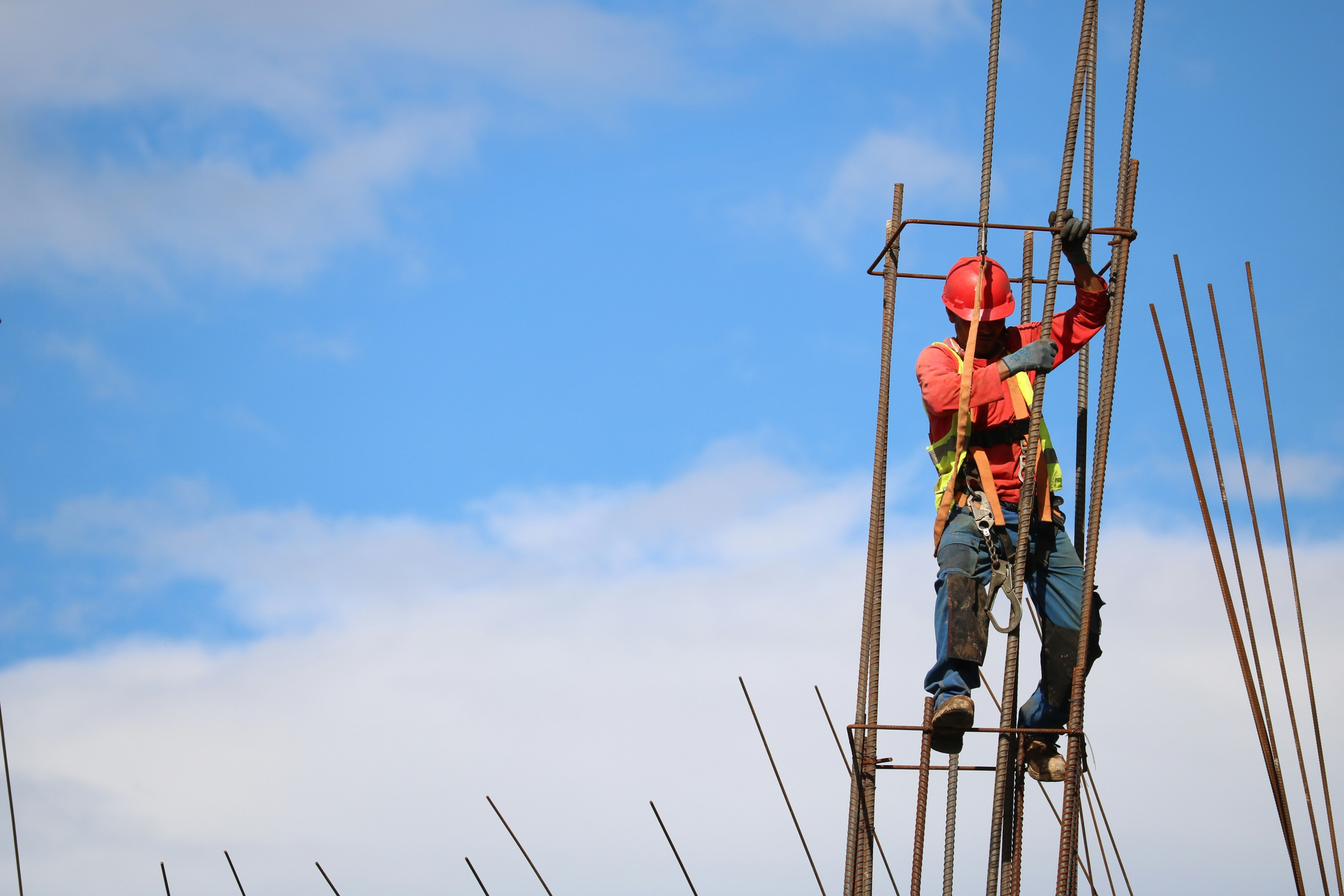
Safe work procedures for high-risk activities (working at height, confined spaces, hot work, heavy lifting)
Contractors on Thai construction sites are required to employ safety officers with relevant qualifications. The ratio of safety officers to workers is prescribed by regulation and varies by project size and risk level. Clients and project managers who do not actively monitor contractor compliance with these requirements cannot rely on the contractor to self-regulate.
Noise and Vibration Management
Construction noise and vibration are among the most common sources of community complaints on urban development projects in Bangkok and other major Thai cities. The Pollution Control Department (PCD) sets ambient noise standards, and construction projects are expected to manage their activities to minimise noise and vibration impact on neighbouring receptors.
Practical measures include restricting noisy activities to permitted hours, using acoustic barriers and enclosures, selecting low-noise construction equipment, and maintaining a community communication channel for residents and businesses affected by construction noise.
Waste Management
Construction and demolition waste must be managed in accordance with the Cleanliness and Notification of Ministry of Industry Subject: Management of Waste or Unused Materials Β.Ε. 2566 (2023) and associated regulations.
Hazardous construction waste, materials containing asbestos, lead paint, solvents, or other hazardous substances, requires specialist disposal through licensed waste contractors.
Poor waste management on construction sites is a common source of regulatory violations in Thailand, and one that is easily avoided with proper planning and contractor supervision.
Water Quality and Drainage
Surface water runoff from construction sites can carry sediment, concrete wash, chemical spills, and other contaminants into the drainage network. Thai construction projects are required to implement appropriate surface water management measures, including silt fences, sedimentation ponds, and concrete washout areas, to prevent contamination of the drainage system or nearby water bodies.
EHS Auditing: What It Involves and When You Need It
An EHS audit is a systematic, independent assessment of a facility's or project's compliance with applicable EHS regulations and its own internal EHS management standards.
For construction projects, EHS audits are conducted to:
Assess contractor compliance with the EHS requirements of the construction contract
Verify that the EIA permit conditions are being implemented
Identify areas of non-compliance or elevated risk before they result in incidents or enforcement action
Provide the client with independent assurance of EHS performance on site
For acquisitions of operating facilities, industrial plants, commercial buildings, or hotels, EHS audits assess the facility's current compliance status and identify any liabilities that the acquirer may be inheriting.
mentabuild's Environmental Advisory team conducts EHS audits across a range of project types and sectors in Thailand, providing clients with clear, actionable findings and practical recommendations for improvement.
Common EHS Failures on Thai Construction Projects
Understanding where EHS management typically breaks down helps project teams focus their attention on the highest-risk areas.
Contractor Self-Regulation Without Client Oversight
Construction contracts in Thailand typically place primary EHS responsibility on the main contractor. This is appropriate, but it does not mean the client can delegate their interest in EHS performance to the contractor entirely. Contractors who are not actively monitored by an independent site manager or EHS auditor tend to deprioritise EHS when it conflicts with programme pressure or cost.
Client-side EHS oversight, through a qualified project manager or independent EHS advisor, is the single most effective way to ensure that contractor EHS standards are maintained throughout the project.
Inadequate Safety Planning for High-Risk Activities
Certain construction activities, working at height, deep excavation, demolition, confined space entry, and lifting operations carry a significantly higher risk of serious injury or fatality. These activities require specific method statements, risk assessments, and permit-to-work procedures. When these are absent or inadequate, the risk of a serious incident is substantially elevated.
Project managers and construction managers with EHS expertise will identify when these procedures are missing and require contractors to implement them before high-risk activities commence.
EIA Monitoring Not Implemented
It is surprisingly common for projects in Thailand to receive EIA approval, commence construction, and then fail to implement the required environmental monitoring programme. Whether this is due to oversight, cost pressure, or a lack of understanding of the obligations, the result is the same: a compliance liability that can attract regulatory attention and, in the event of a subsequent environmental incident, significantly complicate the developer's legal position.
Inadequate Community Management
Urban construction in Bangkok affects residents, businesses, and communities in the immediate vicinity of the site. Noise, dust, traffic disruption, and construction hazards all generate community concerns. Projects that do not proactively manage community communication and address complaints promptly tend to escalate minor issues into formal regulatory complaints or media attention.
EHS Compliance and ESG Reporting
For international investors and developers operating in Thailand, EHS compliance on construction projects increasingly intersects with ESG (Environmental, Social, and Governance) reporting obligations.
Investors subject to the EU Sustainable Finance Disclosure Regulation (SFDR), the Task Force on Climate-related Financial Disclosures (TCFD), or their own investors' ESG requirements need to be able to demonstrate that their construction projects are being managed to appropriate environmental and safety standards. Independent EHS auditing and monitoring provides the evidence base for this reporting.
Projects that achieve recognised sustainability certifications, such as LEED, WELL, or TREES (Thailand's own green building standard): have typically implemented EHS management standards that go beyond minimum regulatory compliance. The Parq, Bangkok's LEED Gold and WELL precertified development, is an example of a project where sustainability ambition was translated into rigorous environmental and well-being standards that benefit both occupants and the surrounding community.
EHS compliance in Thai construction is not an optional add-on. It is a core component of responsible project delivery, one that protects workers, protects communities, protects the client from regulatory and reputational risk, and increasingly forms part of the investment performance framework against which international capital evaluates real estate projects in Southeast Asia.
Need EHS support on your project in Thailand? Explore our Environmental Advisory services → or contact our team to discuss your requirements.
Latest Articles
Mentabuild has delivered consultancy services across landmark projects throughout Bangkok and Southeast Asia — from mixed-use developments to award-winning commercial towers.

